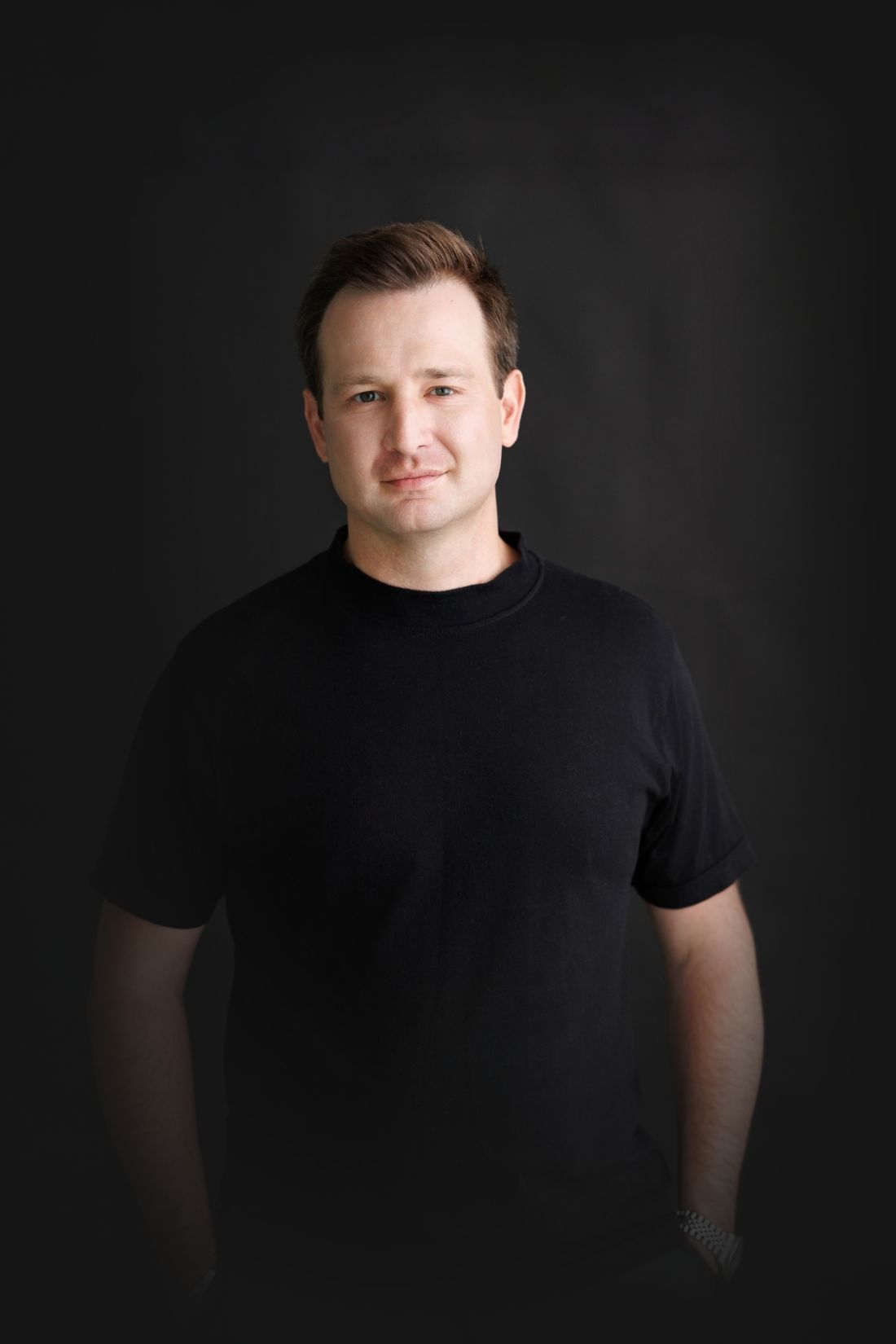
John Roman, PhD · Performance psychology
Be at your best when it matters most.
Performance psychology built on how elite performers see, decide, and stay composed under pressure.
Experience across the NFL, the NBA, and NCAA football in the SEC and Big Ten, with men's and women's professional soccer in the U.S. and Europe, PGA golf, lacrosse, Olympic sport, Broadway, and U.S. Army defense technology.
Also working across all major sports, including developing and youth athletes.
Approach
A legitimate approach to the mental game. Evidence-based methods, built into a personal process you can use in your very next reps.
Your process is built for your role and the moments that decide outcomes. It rests on the two systems that govern performance under pressure: how you regulate emotion and how you direct attention. With eye tracking and performance data, we measure where your attention goes in competition and build from that evidence.
Decision speed
Reading the situation sooner and committing with confidence.
Visual attention
Knowing where to look, and when, under real competitive load.
Emotional regulation
Holding composure as stakes and arousal rise.
Recovery after error
Resetting fast so one mistake stays one mistake.
Across every sport, through injury, and in any task where execution counts.
Clients come in before a championship, during a slump, on the way back from injury, ahead of an audition, or before a presentation that matters. Pressure works the same way on a pitch, on a stage, and in a boardroom, so the skills carry over.
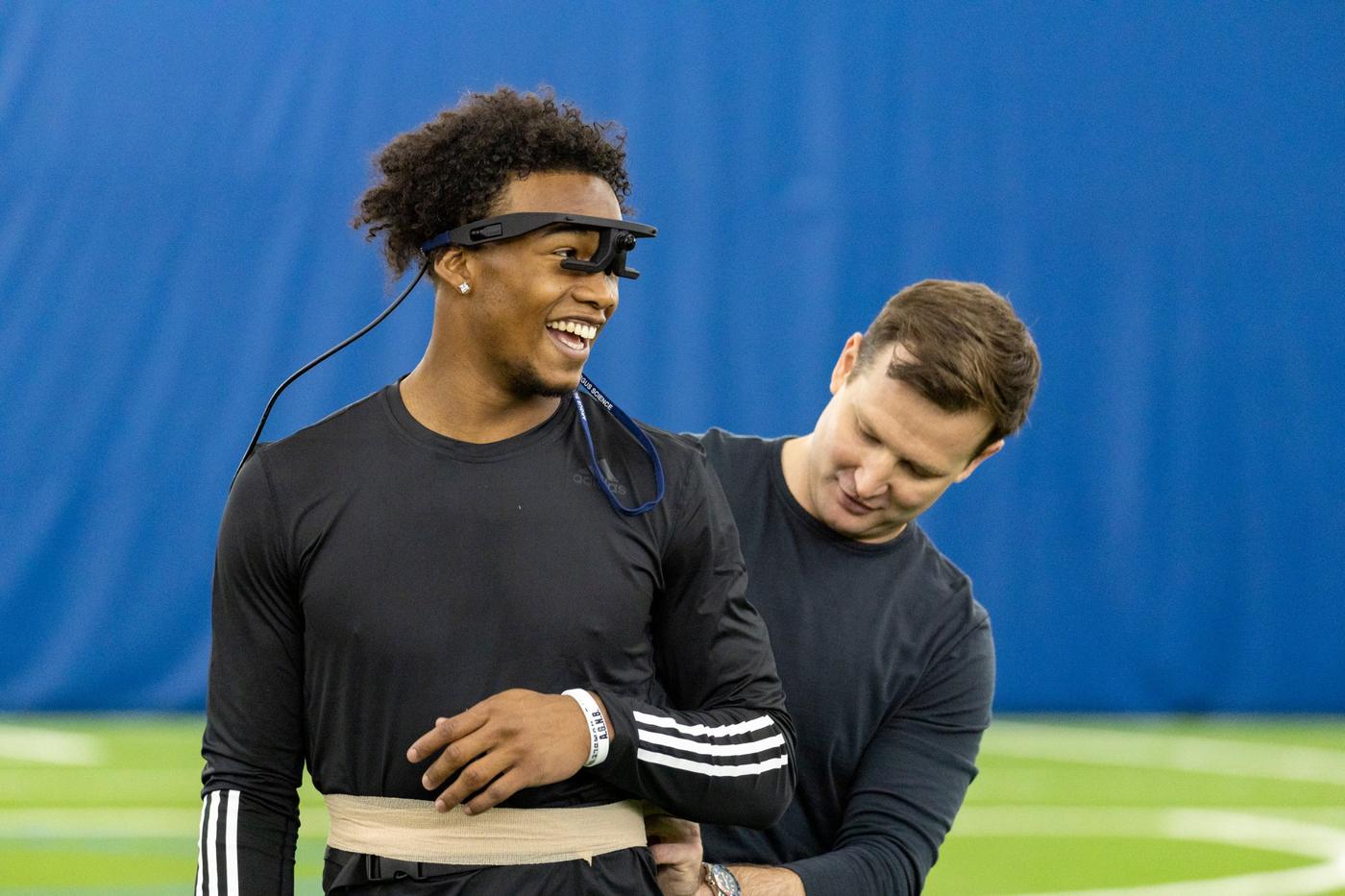
Research-grade methods, applied one performer at a time.
Dr. Roman trained in the University of Florida's Performance Psychology Laboratory and has spent his career turning performance data into decisions. He models and applies Hawk-Eye tracking data, mobile eye tracking, and other applied technologies that describe how performers see, move, and decide.
As a research psychologist with the U.S. Army Research Institute, he evaluated more than 50 emerging defense technologies and designed training for drone operators in high-stress environments.
The same method runs through his client work. He identifies the cues that separate your best performances from the rest, then trains them until they hold under pressure. One example is the quiet eye, the final fixation before a kick, a throw, or a release. Longer, steadier quiet-eye periods are linked to more accurate performance, and they can be trained.
Built for high-responsibility roles.
I work with people whose roles leave little margin: a goalkeeper facing a penalty, a quarterback reading the defense, a kicker with the game on the line, an archer on a final arrow, a lead actor on opening night, and leaders whose decisions others depend on.
I work with athletes from age 14 through the professional and Olympic level, along with performing artists, coaches, and professionals. Parents of athletes under 18 join the first conversation.
How it works
Consult call
A free 15-minute conversation about where you are, what you want to change, and whether we're a fit.
Assessment
We map where your performance breaks down and why, then agree on a plan built for your role and schedule.
Ongoing work
Regular sessions at the Boulder office or virtually, with routines you use between sessions and in competition.
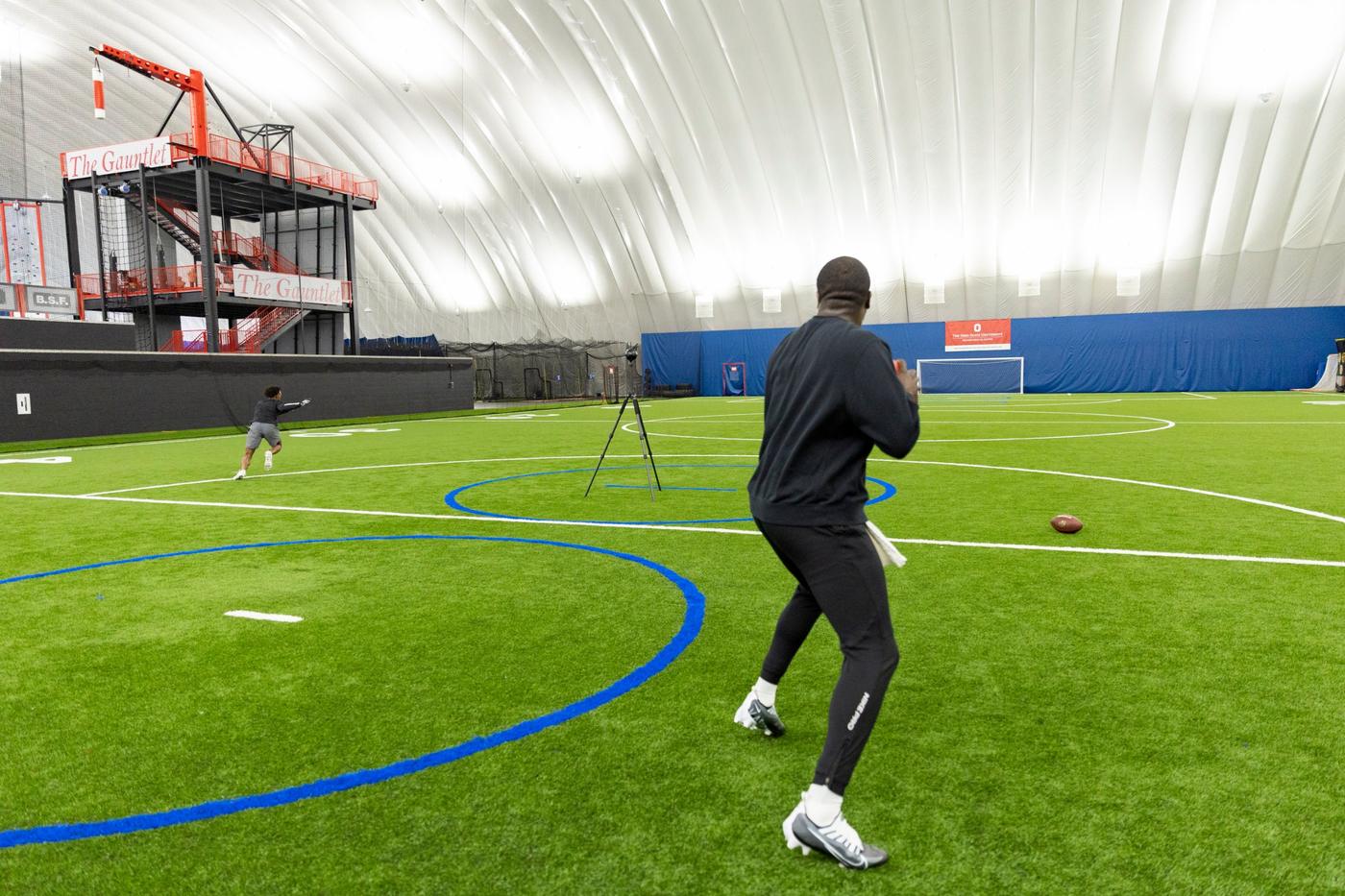
John Roman, PhD
John has spent more than a decade applying performance science in competition, from Division I sidelines to Army field tests.
He earned his PhD and MS in Health and Human Performance at the University of Florida, where he also coached goalkeepers for Florida Gator Soccer from 2016 to 2021. His group included the program's all-time shutout leader and the first goalkeeper selected in her NWSL draft.
He has served as a research psychologist with the U.S. Army Research Institute and edited Deliberate Discomfort: How U.S. Special Operations Forces Overcome Fear and Dare to Win. His work appears in The Cambridge Handbook of Expertise and Expert Performance and in Sports Psychiatry, and he has taught performance and exercise psychology at the University of Florida and Columbus State University.
He sees clients at his office in Boulder, Colorado, and virtually anywhere. He is an avid skier, cyclist, and chocolate cake aficionado.
Questions
Is this therapy?
No. Performance consulting focuses on the mental skills behind performance. It is not psychotherapy or medical treatment. If something comes up that calls for a licensed clinician, I will help you find the right one.
What does it cost?
It depends on how often we meet and the format that fits your schedule. We cover options on the consult call.
Do you work with younger athletes?
Yes, from age 14. A parent or guardian joins the consult call and stays informed throughout.
Do we meet in person or online?
Either. Offices are in Boulder, Colorado, and virtual sessions are available anywhere. I also travel to work with individuals and teams.
Start with a 15-minute conversation.
The consult call is free. We'll talk through where you are and whether working together makes sense.
Book Time